
Dentures – Hamden, CT
Rebuild Your Smile and Boost Your Confidence
Suffering from tooth loss can detract from your quality of life because once-simple tasks like eating, speaking, and grinning suddenly become much more complicated. This can impact everything from your oral health to your appearance to your relationship with others. Thankfully, our team can provide you with customized dentures to rebuild your smile and boost your confidence.
Continue reading below to learn more about this type of restoration, and feel free to contact us for more information or to schedule your consultation.
Why Choose D’Andrea and Pantera Family & Cosmetic Dentistry for Dentures?
- Team of Skilled Dentists with Decades of Experience
- Advanced Technology for Enhanced Patient Comfort
- Flexible Financing and In-House Memberships Available
Who's a Good Candidate for Dentures?

Almost anyone who is struggling with mild to moderate tooth loss can benefit from having dentures. After all, they can restore your smile’s appearance as well as its functionality. However, you must have a consultation with one of our dentists to ensure that you’re a good candidate. In the meantime, you can read on to learn more, starting with the negative effects of missing teeth.
Effects of Missing Teeth

Unfortunately, even just one or two missing teeth can lead to:
- Trouble Smiling Confidently – Simply put, it can be difficult to smile confidently following tooth loss. This, in turn, causes many patients to avoid social situations, even with loved ones.
- A Restricted Diet – Many patients who experience tooth loss are left with one choice: to eat the same soft, bland foods on repeat. Not only can this be incredibly boring, but it also makes getting all of the vitamins and nutrients that your body needs difficult.
- Difficulty Enunciating Clearly – Even a small gap between two teeth can make it difficult to enunciate clearly. So, you can imagine what the space left behind by tooth loss can do!
- Dental Drift – Following tooth loss, it’s very common for the teeth surrounding the gap to move into the open space. The change to the alignment of your bite can lead to several issues, including premature wear and chronic jaw pain.
What Qualifies You for Dentures?

If you’re unable to sufficiently break up pieces of food, you’ve developed a lisp, or you’re struggling with any of the other issues that we mentioned above, then you should reach out to our team at D'Andrea and Pantera Family & Cosmetic Dentistry. That way, we can review your dental history, complete a comprehensive oral exam, and learn about your day-to-day routine. From there, we can determine if you’re a good candidate for dentures and, if you are, begin working on your custom treatment plan.
Alternative Tooth-Replacement Options
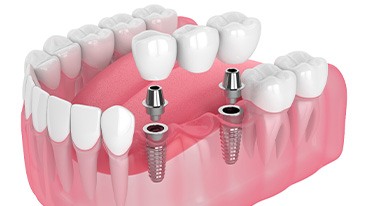
Of course, dentures aren’t the only way we can restore the appearance of your smile and the strength of your bite. We can also fill the open spaces in your smile with:
- Dental Bridges – Traditional dental bridges are anchored in place with two custom dental crowns (one on each side of the gap). Then, the prosthetic tooth or teeth “bridge” the open space.
- Dental Implants – This state-of-the-art solution can replace any number of missing teeth. Plus, unlike the other options that are available, they are secured to your jawbone, not your gums.
If you are interested in learning more about dentures, or any of the other tooth-replacement solutions that we offer, then get in touch with us to schedule a consultation! The sooner you do, the sooner we can begin the process of restoring your complete, healthy, and beautiful smile.
Types of Dentures
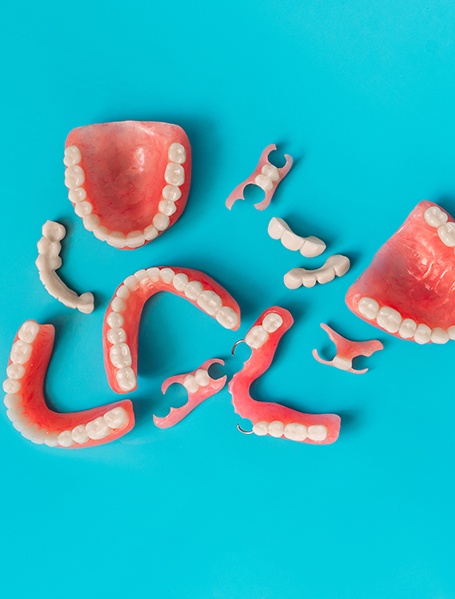
These artificial teeth are a versatile solution that can be adapted to meet your unique dental needs. Once you’ve consulted with one of our experts, they’ll let you know the best way to rebuild your smile. There are several types of dentures, which are outlined in more detail below:
Partial Dentures
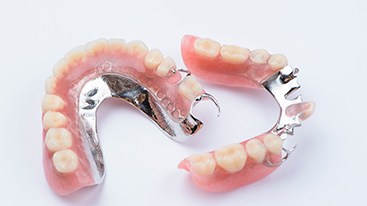
If you still have natural teeth remaining, you might not require a full set of prosthetics. Instead, a partial set can refill any gaps in your grin. These contain the right number of pontics, or artificial teeth, that anchor to healthy ones in your mouth via metal clasps hidden in the acrylic base.
Full Dentures
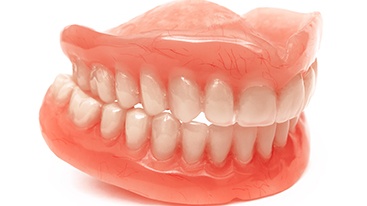
These are probably what you picture when you think of traditional dentures. These are used to completely refurbish your smile when you’ve lost all or most of your teeth. They rely on a firm suction against your gums to remain in place, so you need to have sufficiently strong bony ridges and healthy gum tissue for this treatment.
Implant Dentures
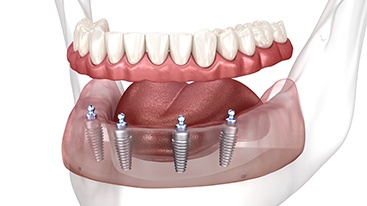
If you want prosthetics that aren’t intended to be removed, this may be a better choice for you. This solution combines the benefits of a full set of dentures with dental implants. The result is a lifelike restoration that’s firmly anchored to titanium rods that are embedded into your jawbone for added stability and resilience.
The Benefits of Dentures
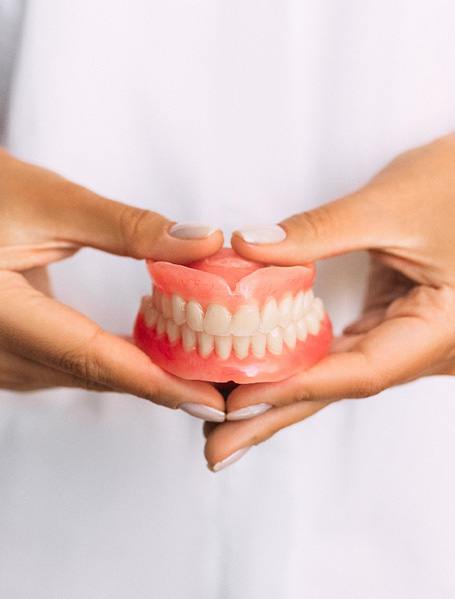
If you’ve experienced significant tooth loss, our team in Hamden can provide a lifelike set of dentures to help improve your smile’s function and appearance. These restorations are a tried-and-true solution that remains popular today because of its many advantages.
Continue reading to learn more about the different ways that getting dentures can potentially improve your quality of life!
Psychological Benefits

Many patients struggle to accept the sudden changes to their appearance caused by tooth loss. The wider gaps in your grin or your empty arches might make you feel self-conscious or worry that you’ll be judged for the way you look.
Our team understands how your dental condition can affect your confidence, so we provide realistic restorations using materials that can be carefully customized to resemble your natural teeth and gums to boost your self-esteem.
Clearer Enunciation

Spaces in your smile left by missing teeth can also make it harder to enunciate words clearly, making communication more challenging. It might take about a month to acclimate to new dentures, but many patients find that once they’ve adjusted, they can overcome changes in their speech patterns, such as a lisp or slur, and improve their pronunciation.
Improves Nutrition

Your teeth are essential to your ability to bite and chew thoroughly enough for meals to be easily swallowed and digested. When some go missing, it can lead to gastrointestinal problems if you consume overly large pieces of food, or malnutrition if you stick to softer, less wholesome options.
Your new teeth restore a portion of your original bite force, allowing you to enjoy a wider variety of nutritious foods that support your oral and overall health.
Preserves Oral Health
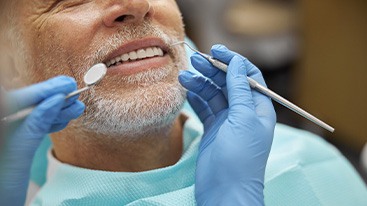
Depending on how many teeth are missing, any that remain are prone to drifting into nearby empty spaces, which can wear them down unevenly or cause bite misalignment. You might also damage the exposed gum tissue that has no protection.
Wearing dentures helps ensure that everything in your mouth remains in its rightful place and also covers exposed connective tissues to help preserve your oral health.
Expands Opportunities

Studies have shown that having dental problems is negatively associated with the likelihood of being employed. The state of your smile says a lot about you, and you might not make a positive impression if you’re missing teeth.
Rebuilding your grin can boost your confidence, which can contribute to more meaningful relationships, a busier social calendar, and better educational or professional achievements.
Dentures FAQs
Does It Hurt to Get Dentures?
Since dentures are custom-made to fit your smile, they will not cause you any pain while you’re wearing them. Although you might need a few days or weeks to fully adjust to wearing the appliance, and it’s not uncommon to experience some minor irritation and sensitivity as your gum tissues become used to being in contact with them. If things do not improve, don’t hesitate to give our office a call so we can inspect your dentures and ensure that they were fitted correctly and haven’t sustained any damage. Note that some patients end up having to undergo tooth extraction before they can receive dentures; if you end up needing one or more teeth removed, you can expect mild but manageable discomfort for 3 to 5 days after your extractions.
Can I Use Regular Toothpaste to Clean My Dentures?
It’s best not to use regular toothpaste to clean your dentures; many standard toothpastes contain abrasive ingredients that can scratch the surface of your dentures, making them more prone to staining and bacterial buildup. Instead, you should use a soft-bristle toothbrush and a non-abrasive denture cleanser specifically designed for this purpose. Also, be sure to rinse your dentures thoroughly with room-temperature water after meals and soak them overnight to keep them moist and clean.
Is It Hard to Talk with Dentures?
It’s normal to experience some difficulty speaking when you first get dentures, but with practice, most patients adjust quickly. You might notice slight changes in the way certain words sound, or find your dentures shift around a bit inside your mouth when you speak. Reading aloud, speaking slowly, and practicing common phrases in front of a mirror or with a trusted family member or friend can help your tongue and facial muscles adapt to wearing your dentures. It shouldn’t take you more than a few weeks to fully get the hang of things. If you continue to have trouble or your dentures don’t feel stable, our team can make adjustments to improve their fit and comfort.
Is There Anything I Can’t Eat with Dentures?
While dentures do allow you to enjoy many types of food, there are certain items you still may want to avoid to protect them and keep your mouth comfortable. Sticky foods like caramel or chewing gum can pull your dentures out of place, while hard foods such as nuts, popcorn kernels, or candies like jawbreakers and lollipops can cause chips or cracks. Tough meats may also be difficult to chew, so you may want to take care to cut items into smaller pieces and chew more slowly. Our team is also always happy to provide you with additional dietary tips and guidelines; remember, the more proactive you are about your dentures, the longer they’ll serve your smile well!